
Reading: Joji
Finding space - at home

Joji seems to be an unplanned child.
His father, the patriarch of the family has built his estate to be inherited by two sons. The eldest son has been groomed to run the farm, while the younger one is to take care of their shop in the nearby town.
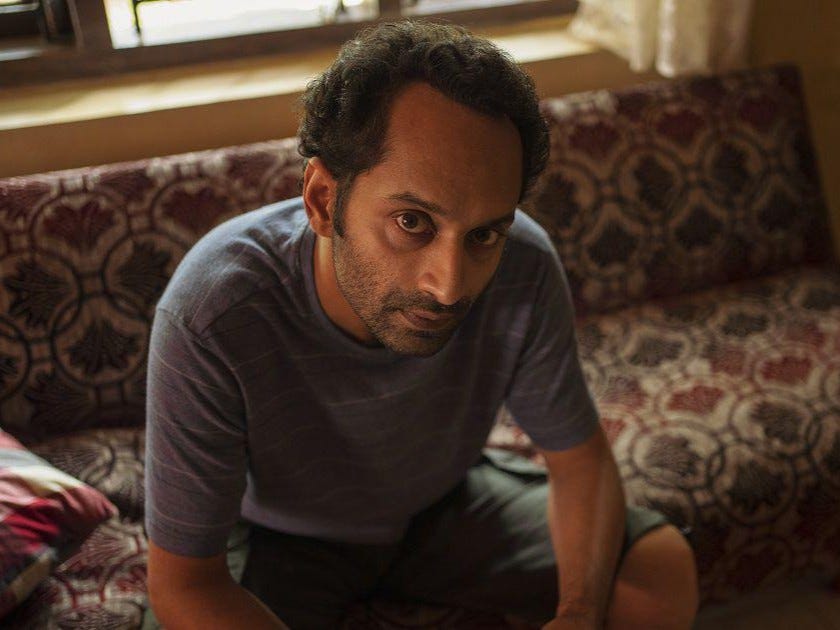
Joji being the youngest of three brothers does not see any future for himself in this setup. Forever dressed in round neck t-shirts and knee-length shorts, he lies around all day in his room trying to read those thick books that might help him emigrate to a foreign country.
There is good reason to believe that Joji has tried and not succeeded in cracking those tests before. He does not have the drive or any plan chalked out to get the job done. He reminds me of my summer vacation after 9th grade when the boarding school had withheld my exam results because we had broken some silly rules. During those weeks, I did my best to stay out of father’s way. My Papa was a busy man preoccupied with many commitments. But my fear was that seeing me upto no good might remind him of my trouble at school which could only mean even more trouble for me.
Joji has worked out his entire daily life in a way that he does not cross paths with his father - despite them both living under the same roof. Thankfully for Joji, they live in a large bungalow that is also occupied by other family members - his two elder brothers, one sister-in-law and a nephew. Which makes it quite easy for him to stay hidden even while living right under his father’s master bedroom. Every morning, Joji steps out after the others have left for work, smokes a cigarette in the backyard, eats his breakfast inside the kitchen, and goes back to his room to lie down with a book by his side.
Joji’s room is not really a bedroom – not like the ones his brothers occupy. This is an irregularly shaped area next to the dining hall which could have been turned into anything else too – a storeroom, a library or even a balcony if they could remove the walls. But it is only this corner of the house that is witness to all the pent up rage and frustration that he cannot express anywhere outside, not even to his brothers.
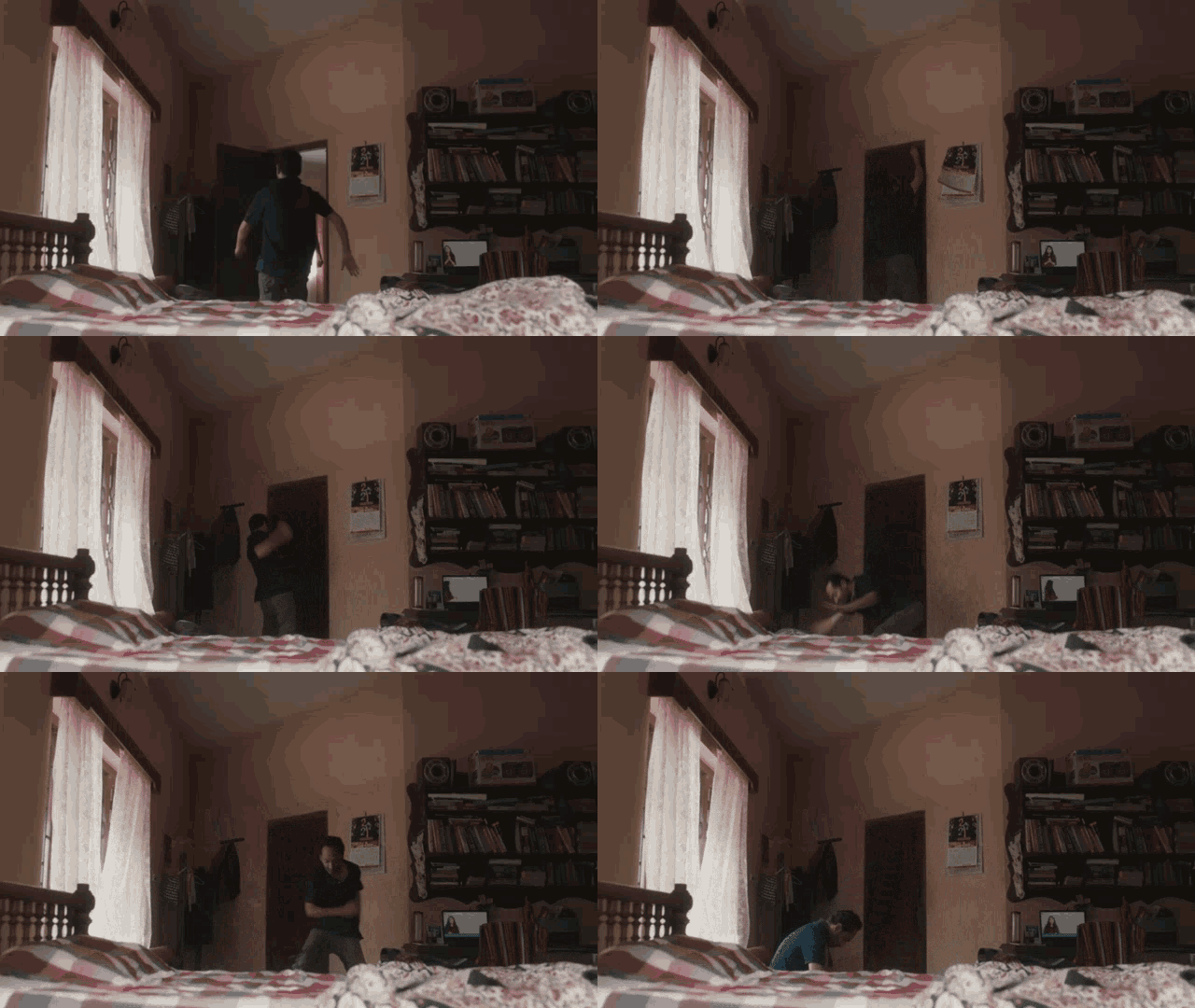
The only person who sees him is the other person down in the trenches - his sister-in-law Bincy. She is mostly toiling away in the kitchen - another oddly shaped area on the other side of the dining hall, and right across from Joji’s room. All it takes are six words in Bincy’s weary but undefeated voice - ‘Is this not your home too?’ - that sets Joji off on a quest to claim his rightful place in the family.
Joji begins to move like a housecat from room to room claiming new territory with an instinct unknown to him. At the peak of his (evil) power, he lights up a cigarette from the kitchen stove and blows smoke everywhere.
The stink of his repressed anger and newfound greed spreads to all corners of the bungalow.
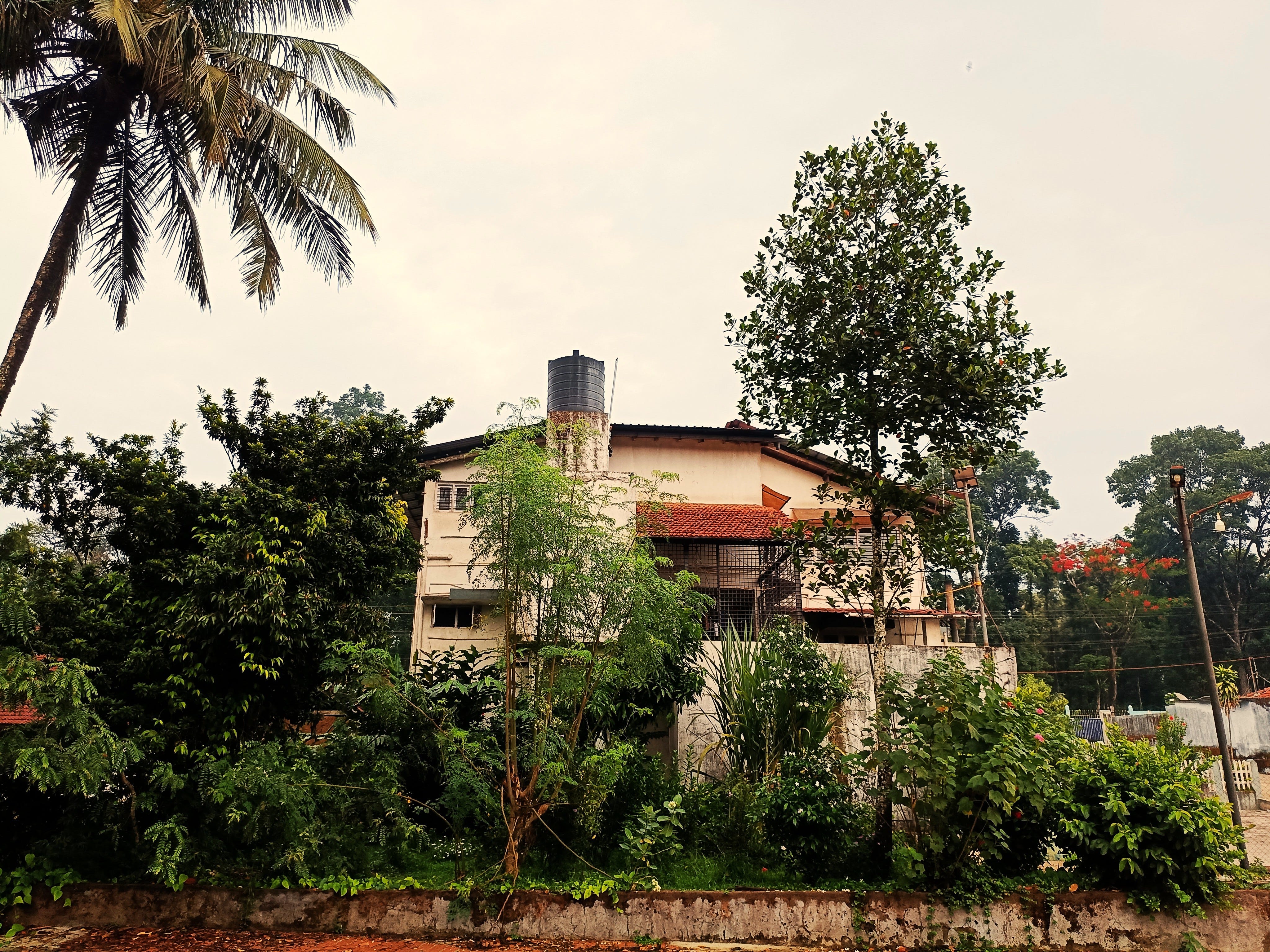
Back in the village, we rarely ever lock the house and go away altogether. One of us always stays back since there are cattle and dogs to care for, apart from overseeing work at the farm. Ever since I was a teenager, I would gladly volunteer to be the one staying back. And after all these years, I still feel a sense of calm when I am by myself at our family home.
One of those home-alone days, I stepped into the dining room with my lunch plate and realised that I could choose to sit anywhere on table rather than my usual seat.
Our dining table here is perfectly round with five chairs equally spaced around it. Unlike a rectangular table, there is no marked place for the head of the table. But, when I sit at my father’s seat, I realize the power it holds. This is the only place from which I can see all the other rooms surrounding the dining hall. Sitting on any of the other chairs will mean having our back to either the kitchen, the living room or the bedrooms.
My mother’s chair is to my father’s left and it’s (obviously) the closest to the kitchen so that she can quickly go in and bring a fresh rotti for us. Our Thatha (grandfather) used to sit on the chair that was closest to his room. He had his meals way before the rest of us and mostly ate by himself. Even now, my brother and I are not sure about our seats. We often switch places and are okay with sitting anywhere that’s convenient.
Our Ajji (grandmother) usually ate in the kitchen - which has a small table and a chair. After the rush of the family meal hour, when everyone had moved on and the kitchen was cleaned, she would sit with a book and eat at her own sweet pace while birds chirped outside the kitchen windows.
Now that I have discovered her safe haven, this is where I choose to sit when I am here by myself. And I just can’t stop marveling at how thoughtfully she had found her solitude in this busy house.
The kind of space a person occupies depends a lot on their personality and upbringing. In a shared environment, it is only natural that some of us occupy more space than the others. But not everyone is able to claim their fair share of space. So, it is up to the bigger personalities to be mindful and make sure that the others also feel equally at home.
Having a space of one’s own is often the biggest motivator for young people to start earning and move out of their parents’ homes.
Sometimes when a person falls out with the family but are not able to go elsewhere, they build a wall in between to make space for themselves.
And then, there are the meek ones who continue living in their own homes as if they are guests at someone else’s.
The wisest are those like my grandmother – who make a sanctuary for themselves. It could be the corner of a shared room with a personalised wall by the side, a balcony with a single chair to sit among plants, or the terrace with a sky for every season.
Where is your sanctuary? Is there a time of the day you go there?
How did you discover this space? And how has it changed your life?
My sanctuary is the evening run at the time of sunset, surrounded by trees, birds and dogs and the occasional cats that run away as soon as I ‘pssp psssp’ at them 😅
From having your space to building your sanctuary, this essay packs in so much on navigating power and authority in families.